Mastering the Art of Exterior Painting: Tips and Techniques from Butte To Butte Mar 16, 2026
Starting with the Right Preparation
Preparation is a key factor that distinguishes a professional paint job from an amateur attempt. Begin by thoroughly cleaning the surfaces to be painted. Use a pressure washer to remove dirt, mildew, and any loose paint. Ensure that your surfaces are completely dry before moving on to the next steps.
Next, inspect the exterior for any signs of damage. Repair cracked or damaged siding, trim, and any gaps that could affect the final outcome. Scraping and sanding down rough patches will ensure a smooth foundation for your paint. Applying a quality primer to these areas will enhance adhesion, giving you a long-lasting finish.
Choosing the Best Paint and Tools
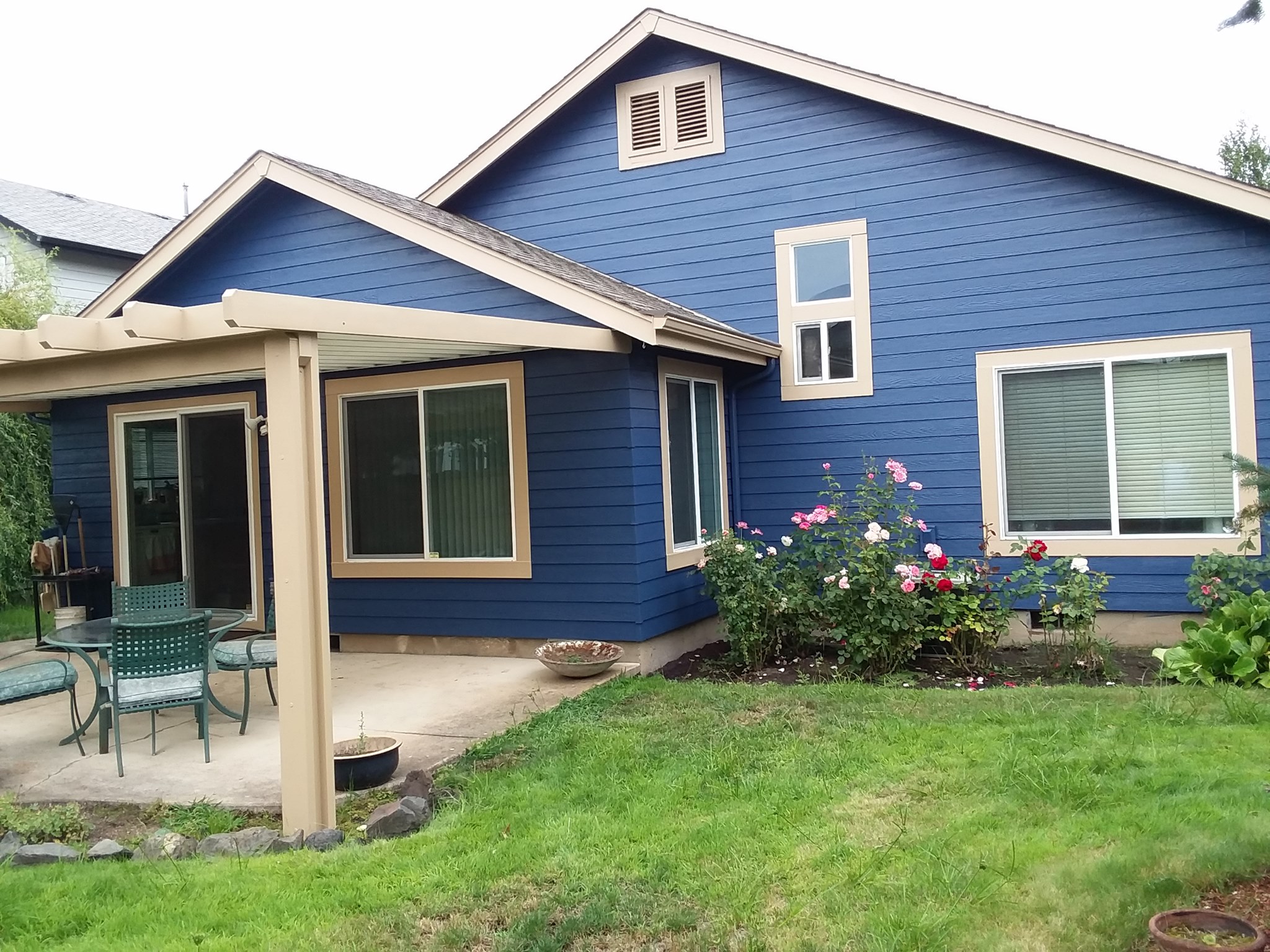
The choice of paint and tools significantly impacts the results of your exterior painting project. Opt for high-quality acrylic latex paint known for its durability and ability to withstand varying weather conditions. At Butte To Butte Painting, we recommend selecting colors that complement your home’s architecture and surrounding environment.
Investing in the right tools is just as important as selecting quality paint. Good brushes, rollers, and sprayers can greatly affect the efficiency and quality of your work. Brushes are essential for detailed work around windows and trim, while rollers and sprayers can cover large areas quickly and evenly.
Mastering Painting Techniques
When applying paint, technique matters. Begin with the edges and trim using a brush for precision and control, then proceed to the larger areas. This ensures that edges and fine details are neatly handled before tackling broader sections with rollers or sprayers.
The rule of thumb is to work from top to bottom. This prevents paint from dripping onto completed sections, maintaining consistency. When using a roller, employ a technique called "back rolling," where you go over the newly applied paint with a roller to ensure even coverage and remove any bubbles.
Weather Considerations
Exterior painting projects should be planned with the weather in mind. Ideal conditions include mild temperatures and low humidity. Avoid painting on days with direct sunlight, as this can cause the paint to dry too quickly, resulting in brush marks and lap lines.
Allow adequate drying time between coats, and be mindful of upcoming weather events that could affect your freshly painted surfaces. Taking the time to plan around weather conditions will extend the longevity of your paint job.
Final Touches and Maintenance
Once your paint has dried, step back and admire your work. But remember, even the best paint jobs require maintenance. Inspect your exterior annually for signs of wear and address any issues promptly. This proactive approach will keep your home looking its best year after year.
In conclusion, mastering the art of exterior painting is a rewarding endeavor that requires careful planning, the right materials, and a touch of skill. But with attention to detail and patience, you can achieve stunning results that will enhance your home’s beauty and value. If the task feels daunting, Butte To Butte Painting is here to assist, offering expertise and quality service to turn your painting dreams into reality.
/filters:no_upscale()/filters:format(webp)/media/4bbf46ea-cb7c-485b-b170-271609340ce2.jpg)